
- /
Cheney WA Real Estate






Cheney WA Real Estate and Community Guide
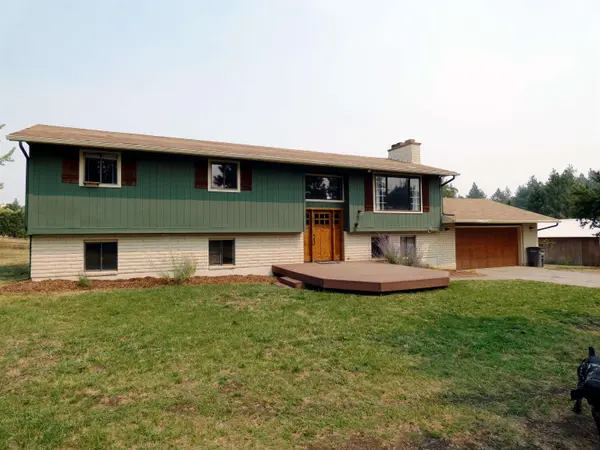
Cheney, Washington is one of the most appealing smaller markets in the Spokane area for buyers who want a balance of value, space, and convenience. If you are searching Cheney WA real estate, you will find everything from entry-level homes and newer construction to acreage properties and rural homes just outside town.
The average sold price in Cheney is $376,418, the median sold price is $400,000, homes sell in an average of 38 days, and sellers receive about 99.6% of asking price. That points to a market with real demand, while still offering buyers more breathing room than many tighter nearby markets.
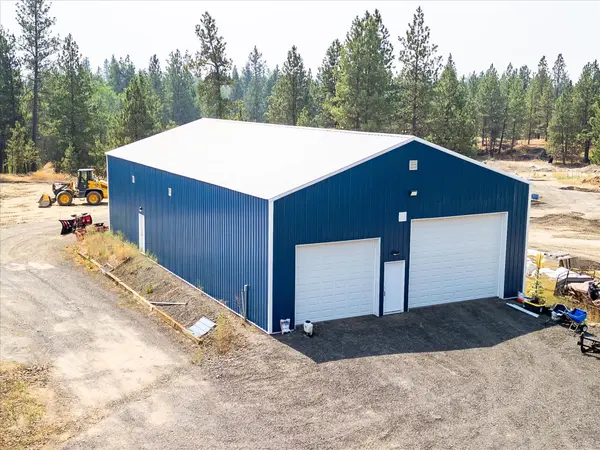
In the last 12 months, 224 homes under one acre sold, while 51 homes on over one acre sold. That tells us Cheney has a strong core residential market, while also offering a meaningful acreage segment for buyers who want more land, privacy, shop potential, or a more rural feel.
Cheney is also home to Eastern Washington University, which adds energy, jobs, events, and a steady sense of community to the area. That is part of what makes Cheney feel more active and connected than many towns its size.
Buyers who love the outdoors usually see Cheney as a strong fit. The city has multiple parks, and nearby recreation includes Turnbull National Wildlife Refuge, along with Fish Lake Regional Park, trails, and open spaces nearby.
Day-to-day living is practical too. Cheney has a Safeway with pharmacy services and a local Yoke’s Fresh Market right in town. Not sexy, but very useful when life gets busy.
Dining is another small but important part of the lifestyle picture. Cheney has several local restaurant options rated 4 stars and above, including:
- El Rodeo – popular local Mexican restaurant
- Arturo’s Mexican Restaurant – strong local favorite
- Monterey Pub & Grub – casual local dining option
- Farmhouse Cafe – well-liked Cheney dining option
- The Mason Jar – popular local breakfast and lunch spot
From a real estate standpoint, Cheney gives buyers several different paths. Some want an affordable first home. Some want a newer house in a neighborhood setting. Some want new construction. Others want acreage and a little breathing room outside town. That range is a big reason Cheney continues to attract attention from both local buyers and people relocating within the Spokane area.
One of Cheney’s biggest strengths is that it still feels grounded. You get access to schools, shopping, recreation, university energy, and Spokane convenience, but with a smaller-town pace that many buyers are after.
Use the home search on this page to explore active Cheney real estate listings in real time. You can narrow by price, property type, lot size, or features, save favorites, and watch for the right opportunity as soon as it hits the market.
FAQ - Frequently Asked Home Financing Questions
How much do I need for a down payment on a home?
The truth is, you may need less than you think.
Many home buyers assume they need 20% down, but that’s not required.
Conventional loans can allow as little as 3% down. FHA loans can go as low as 3.5%. VA and USDA loans may offer zero down payment options for qualified buyers.
The right amount depends on your credit, income, and loan type. If you’re unsure what you qualify for, Haven Real Estate Agents work closely with experienced lenders who can review your situation and help you understand your best options clearly and simply.
What’s the difference between pre-qualification and pre-approval?
Pre-qualification is a quick estimate based on information you provide. It gives you a rough idea of what you might afford.
Pre-approval is stronger. It involves verifying your income, credit, and financial documents.
Sellers take pre-approved buyers more seriously because it shows a lender has reviewed your file. If you're shopping for homes for sale, pre-approval gives you a real advantage in a competitive market. Our Haven team partners with trusted lenders who can help you get fully pre-approved quickly and confidently.
How does my credit score affect my mortgage rate?
Your credit score plays a big role in your interest rate.
Higher scores usually mean lower rates, which can save you thousands over the life of your loan.
Lower scores don’t mean you can’t buy a home, but they may impact your payment.
Even a small difference in rate can change your monthly cost. If you’re unsure where you stand, our lender partners can review your credit and show you clear next steps to strengthen your buying power.
What are closing costs, and how much should I expect to pay?
Closing costs are the fees required to finalize your home purchase.
These can include lender fees, appraisal costs, title insurance, escrow fees, and prepaid taxes or insurance.
Most buyers can expect to pay between 2% and 5% of the home’s purchase price in closing costs.
In some cases, sellers may contribute toward these expenses as part of negotiations. Haven agents are skilled negotiators and can guide you through strategies to reduce out-of-pocket costs.
How long does the homebuying process usually take?
On average, once you go under contract, it takes about 30 to 45 days to close.
That includes inspections, appraisal, final loan approval, and paperwork.
If you’re just beginning your search for homes for sale, the timeline may vary depending on market conditions and how quickly you find the right property. Our Haven team helps buyers move efficiently while protecting their best interests every step of the way.
Can I buy a home if I’m self-employed or have irregular income?
Yes, you absolutely can.
Self-employed buyers or those with variable income may need to provide additional documentation, such as two years of tax returns or profit-and-loss statements.
Lenders look for consistency and overall financial health.
It may feel more complex, but it’s very doable. Haven works with experienced mortgage professionals who understand self-employed income and can help structure a loan that fits your situation.
What is included in my monthly mortgage payment?
Your monthly payment usually includes four main parts: principal, interest, property taxes, and homeowner’s insurance.
If your down payment is less than 20%, it may also include private mortgage insurance (PMI).
Some homes may have HOA fees as well.
When you’re exploring homes for sale, it’s important to look beyond just the purchase price and understand the full monthly payment. Our lender partners can break this down clearly so there are no surprises.
What is a 2-1 buydown, and how does it work?
A 2-1 buydown is a temporary interest rate reduction for the first two years of your loan.
In year one, your rate is reduced by 2%. In year two, it’s reduced by 1%. By year three, it returns to the full fixed rate.
This lowers your monthly payment early on, giving you breathing room as you settle into your new home. It can be a powerful tool in today’s market to improve affordability.
Who pays for the 2-1 buydown—the buyer, the seller, or the lender?
Most often, the seller funds the 2-1 buydown as a concession during negotiations.
In some cases, builders or lenders may offer promotional programs.
Buyers can also choose to fund it themselves, though that’s less common.
Haven agents are experienced in negotiating creative solutions like buydowns to help buyers secure the best possible terms. Our trusted lending partners can walk you through whether this strategy makes sense for your goals.